Ghost Shooting: shooter games
BitStrong GamesAction
4.71.27K Reviews
- Version
- 1.8.1
- Installs
- 10.00M
- Age Rating
- Mature 17+
Screenshots
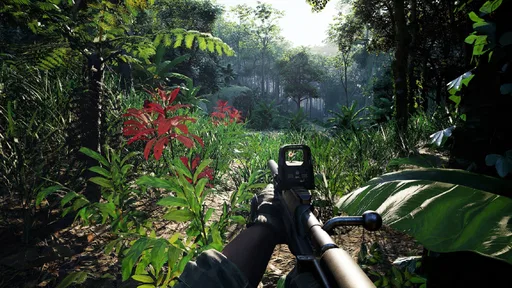
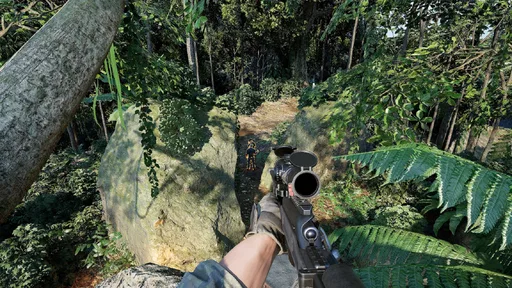
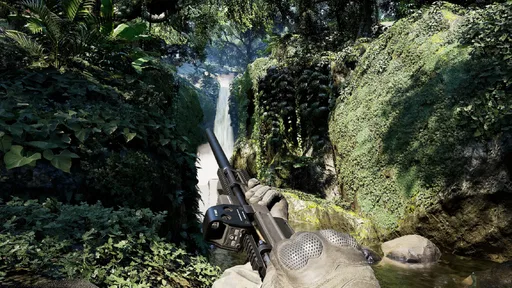
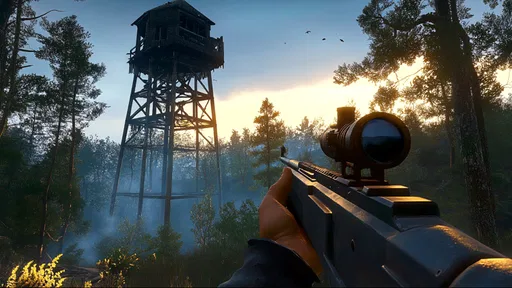
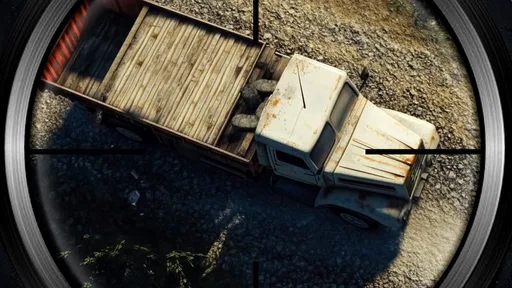
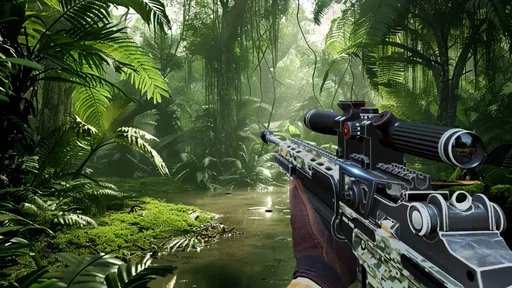
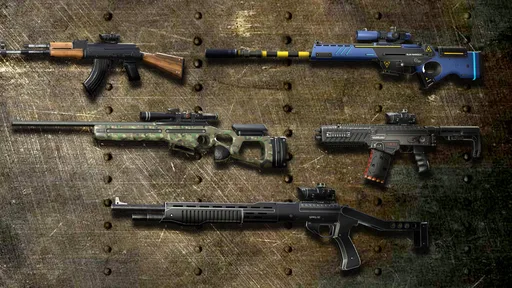
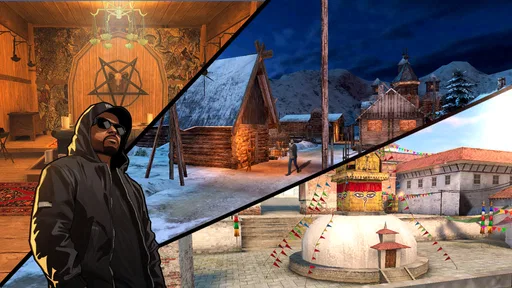
Our Review of Ghost Shooting: shooter games
 Analysis by Appyee
Ghost Shooting: shooter games is a free action game from BitStrong Games that puts me in the role of a fast-moving protector dealing with supernatural danger in urban settings. Its basic idea is easy to understand: enter a threatened city, use firearms, and clear the danger before it overwhelms the area. What makes it worth a closer look is not a complicated premise, but the way it turns that premise into short, direct shooting sessions that are easy to start when I only have a few minutes.
I found it most appealing when I wanted something more immediate than a long campaign. There is no need to learn a large world before getting involved. The mature tone, ghost-focused enemies, and action-first presentation make it clearly different from a relaxed puzzle game or a tactical strategy title. At the same time, it is not the best fit for someone looking for deep storytelling, a realistic military simulation, or a slow role-playing experience. This is a pick-up-and-play shooter built around quick decisions and constant pressure.
What to expect before starting
The game sits firmly in the action category, and I would approach it with that expectation. The main attraction is the feeling of responding to a city in danger rather than managing a large collection of side systems. The store summary describes a world where evil is spreading through cities, and that gives the shooting a clear purpose: I am not simply firing at targets in an empty arena; I am trying to hold back a supernatural threat.
That framing matters because it explains the game’s ghostly identity. Players who enjoy horror-flavored combat, urban danger, and straightforward shooting will probably understand the appeal quickly. Players who prefer bright, nonviolent games should pay attention to the Mature 17+ content rating before installing it. The tone is not presented as a gentle fantasy adventure, and the focus on guns and hostile forces places it in a more intense part of the mobile action market.
The game is free to download, which makes trying it relatively simple, but it includes optional purchases ranging from $0.99 to $119.99 per item. I recommend deciding in advance whether you are comfortable with in-game spending. A free starting point is useful, yet the presence of a wide purchase range means I would avoid treating every offer as necessary. My own approach with a game like this is to play long enough to understand the normal progression before considering any optional purchase.
Its public reception is strong, with a 4.7 average from around 153 thousand ratings and over 10 million installs. Those figures suggest that the game has reached a substantial audience, but they should not replace personal testing. A popular action game can still feel too repetitive for someone who wants exploration, while a player who enjoys short shooting sessions may find it immediately comfortable.
BitStrong Games released it on July 18, 2024, and the current version is 1.8.1. It supports devices running Android 7.0 or later. That broad operating-system requirement makes it approachable for people using older Android hardware, although the experience can still vary depending on the phone’s performance, screen size, and available storage. I would begin with moderate expectations on an older device rather than assuming that a lower minimum system version guarantees identical smoothness everywhere.
The first setup is simple, but the first minutes matter
After installing, I would resist the temptation to rush through every opening prompt. The first few minutes are the best time to learn how the game wants me to aim, move, and react. In a shooter, small control habits matter more than they seem. If I begin by tapping wildly, I can mistake poor technique for weak equipment or unfair difficulty.
My recommended first-session routine is straightforward. I would start with the default equipment, observe how quickly targets appear, and pay attention to whether the game rewards accurate shots more than frantic firing. I would also notice how much of the screen is occupied by controls and combat information. On a smaller phone, finger placement can hide important areas, so a short practice period helps me find a comfortable grip before the action becomes busy.
One useful habit is to keep both thumbs available instead of playing one-handed whenever the controls require simultaneous movement and aiming. That may sound obvious, but it changes how confidently I can respond when a threat enters from an unexpected direction. If the opening encounters feel easy, I would use them to build consistency rather than simply racing through them. The goal is to finish the first meaningful encounter while still understanding why it went well.
I also suggest checking the purchase prompts with a calm eye. Free-to-play action games often place optional offers close to moments of excitement or difficulty. I would not spend money during the first session, because I need to know whether a problem comes from my unfamiliarity with the controls, from the stage design, or from a genuine progression wall. Waiting gives me a clearer idea of what the regular game loop feels like.
How I reached the first satisfying success
My first useful milestone would not be simply completing an opening screen. It would be surviving a full encounter while keeping control of the situation. To get there, I would focus on three things: maintaining awareness, choosing shots deliberately, and avoiding unnecessary movement.
When several supernatural enemies appear, the natural reaction is to fire at the closest target. That is not always the best choice. I prefer to identify the threat that can interrupt my position or force me to turn away from another enemy. Removing the most disruptive target first gives me more room to handle the rest. This is one of the first practical lessons the game can teach: quick shooting is useful, but target order is often more valuable.
I would also avoid holding my aim in one place after a target has already been dealt with. Re-centering immediately prepares me for the next threat and reduces the chance of wasting time on an empty area. This small adjustment is especially helpful in a ghost-themed shooter, where visual effects or dark surroundings can make it harder to judge what is still active.
Another effective approach is to treat movement as protection rather than decoration. I would move when it creates a better angle or prevents enemies from surrounding me, not simply because standing still feels unsafe. Constant movement can make aiming less reliable, particularly during the first session. Controlled repositioning is easier to manage and lets me see whether the game’s challenge comes from enemy pressure, limited visibility, or the need to switch attention quickly.
Once I complete an encounter using those habits, I have a meaningful baseline. I know how the controls feel, how much attention combat demands, and whether the ghost-hunting theme works for me. That is a better basis for deciding whether to continue than an early purchase or a quick judgment based only on the store’s short description.
Confusion that can make the game feel harder than it is
The most common early confusion in a shooter like this is not knowing whether failure came from aim, timing, positioning, or progression. I would separate those problems instead of changing everything at once. If I miss often, I would slow down and improve target selection. If I am hit while aiming well, I would watch the edges of the screen and adjust my position. If the encounter feels impossible despite accurate play, I would consider whether I have moved too far ahead without developing the available equipment or routine.
Another point of confusion is the difference between visual intensity and actual danger. Ghostly enemies and city scenes can make the screen feel crowded, but not every movement requires an immediate reaction. I found it more useful to identify the active threat and ignore distracting motion until it becomes relevant. This reduces panic and helps preserve attention for the target that can end the encounter.
New players may also assume that the most expensive option must be the correct solution to a difficult section. I would not make that assumption. Optional purchases may be convenient, but convenience is different from necessity. Before spending, I would replay a difficult encounter, change my target order, and check whether a safer position solves the problem. That process protects the free-to-play experience from becoming a series of rushed decisions.
The mature rating is another detail worth taking seriously. I would not recommend installing the game on a child’s device simply because the download is free or the controls look accessible. The combination of firearms, supernatural violence, and a Mature 17+ classification makes it better suited to adult players who are comfortable with that tone.
Where it fits among other mobile shooters
Compared with competitive multiplayer shooters, Ghost Shooting: shooter games is easier to approach if I want a focused solo-style action experience rather than a contest against other players. I do not need to coordinate with teammates or worry about an opponent who already knows every map. That makes it a better choice for a short break, especially when I want control over the pace and do not want a loss to depend on someone else’s connection or decisions.
Compared with military shooters, the ghost theme gives it a more unusual identity. The urban supernatural setting is the reason I would choose it over a conventional battlefield game. The trade-off is that players seeking realistic weapons handling, squad tactics, or a grounded campaign may find the fantasy premise less satisfying.
It also differs from larger role-playing shooters that ask me to spend substantial time managing characters, equipment, missions, and long-term progression. Here, the immediate action is the main reason to return. That is a strength when I want low preparation, but a limitation if I need a deep sense of exploration or a story that develops through extended conversations and world-building.
I would place it between a traditional arcade shooter and a more structured mobile action game. It has the accessibility of the former, yet the city-protection theme gives each session more context than simply hitting targets. The right comparison depends on what I want from my phone: quick supernatural combat, not a complete replacement for every other kind of shooter.
Practical ways to get more from each session
For a short everyday session, I would play when I can give the screen uninterrupted attention. A bus stop, a quick break, or a few minutes before an appointment can work well if I am comfortable stopping between encounters. I would avoid beginning a demanding section when I know I may need to put the phone down immediately, because interrupted aiming and rushed decisions make the game feel less fair than it is.
A second useful habit is to learn one improvement at a time. During one session, I might focus on aiming discipline. During another, I might concentrate on movement and awareness. Trying to optimize every action immediately creates unnecessary frustration. By isolating one skill, I can tell whether I am genuinely improving or merely getting lucky.
I would also keep a simple mental record of why I failed. Was the issue a missed shot, a late reaction, poor positioning, or an unfamiliar encounter? This is more useful than repeatedly pressing retry without changing anything. In a game built around direct action, a small adjustment can have a larger effect than a long period of unfocused repetition.
Finally, I would treat the free version as a complete trial rather than as an advertisement for spending. Play enough to decide whether the shooting itself is enjoyable. If the core loop feels satisfying without purchases, optional spending becomes a personal convenience decision. If the basic combat does not hold my attention, buying an item will not solve that underlying problem.
Who should install it, and who should skip it
I would recommend it to players who like quick action, supernatural enemies, urban danger, and a simple path from opening the game to firing at a threat. It is especially suitable for someone who wants a mobile shooter without committing to a large multiplayer community or a lengthy story campaign. The free entry point also makes it easy to test personally before deciding whether it belongs in a regular rotation.
I would skip it if I am looking for a calm game, a child-friendly experience, or a detailed tactical simulation. I would also choose another title if my main priority is competitive online play, extensive exploration, or a complex character-building system. Those are not minor preferences; they change the kind of experience I expect from the game.
Device compatibility is reasonably approachable because Android 7.0 is the minimum operating system, but I would still make sure my phone is comfortable with action games before settling in. A small screen, aging hardware, or unreliable touch response can turn accurate shooting into a frustrating task. The game itself may be suitable for a quick test, yet the physical device remains part of the experience.
My next step after the first session
After the first successful encounter, I would not immediately chase every available upgrade or offer. I would play another session using the same basic approach and see whether the game remains enjoyable once the novelty of the ghost setting fades. That second check tells me whether I like the actual rhythm of aiming, reacting, and protecting the city, rather than merely liking the concept.
If the action continues to feel satisfying, I would build a repeatable routine: start with a short warm-up, identify the most disruptive target, reposition only when it improves safety, and review the reason for any failure. This workflow is simple, but it gives the game more depth than random tapping. It also helps me judge whether progress comes from better play or from pressure to buy something.
Version 1.8.1 is the version I would look for when installing today. I would keep the game updated through the normal platform process so that I am using the current release available for my device. Since the game is free with optional purchases, I would also set a personal spending boundary before playing regularly, especially if I am prone to making quick decisions during a difficult stage.
My final view is positive but specific. Ghost Shooting: shooter games is not trying to be every kind of action game at once. Its appeal comes from putting a ghost-hunting spin on direct mobile shooting and making the first step easy to understand. The strong 4.7 average and audience of over 10 million installs show that many players have found something enjoyable here, but the real test is whether its focused combat matches your habits.
I would recommend giving it a fair first session, learning the controls before judging the difficulty, and delaying purchases until the normal loop has earned your interest. If you want a free, mature-rated action game for short supernatural shooting sessions, this is a sensible one to try; if you want deep story, realistic tactics, or competitive multiplayer, you will probably be happier elsewhere.
Verdict
Strengths of Ghost Shooting: shooter games
- Simple controls make it easy for beginners to start playing.
- Short missions are convenient for quick gaming sessions.
- Different ghost enemies add variety to the shooting challenges.
- Offline play is useful when you have no internet connection.
- The spooky theme creates a fun atmosphere for casual players.
Limitations of Ghost Shooting: shooter games
- Repetitive missions may become predictable after extended play.
- Some levels provide limited strategic depth for experienced players.
- Frequent ads can interrupt gameplay between missions.
- Progress may feel slow without optional in-app purchases.
- The horror visuals may be too mild for fans of intense scares.
Similar Picks in This Category
View All
Temple Run 2: Endless Escape
Imangi Studios4.1

PUBG MOBILE
Level Infinite4.3

Free Fire: 9th Anniversary
GARENA INTERNATIONAL I4.4

Talking Tom: Hero Dash Run
Outfit7 Limited4.3

slither.io
Lowtech Studios3.9

Sniper 3D:Gun Shooting Games
Wildlife Studios4.6
Frequently Asked Questions
What is Ghost Shooting: shooter games about?
Ghost Shooting: shooter games is an action-focused mobile game centered on fighting supernatural enemies with firearms and quick reflexes. Players move through haunted environments, aim at ghosts or other hostile creatures, and complete shooting challenges. The game is designed for short sessions, making it suitable for players who enjoy casual arcade shooting with a spooky theme rather than a complex story-driven adventure.
Is Ghost Shooting: shooter games free to download and play?
The game can generally be downloaded without an upfront purchase, but the free version may include advertisements, optional in-app purchases, or both. These purchases can sometimes provide extra resources, upgrades, weapons, or other conveniences. Before downloading, users should check the current store listing for pricing details, supported payment methods, and whether particular features require payment.
Does the game require an internet connection?
Whether Ghost Shooting: shooter games works fully offline may depend on the version installed and the feature being used. Basic shooting levels may be available without a constant connection, while advertisements, updates, cloud data, leaderboards, or purchase verification can require internet access. It is best to launch the game once online and review its behavior before relying on it during travel.
Is Ghost Shooting: shooter games suitable for children?
The game uses shooting mechanics and supernatural enemies, so parents should review its content before allowing younger children to play. Although the presentation may be cartoon-like rather than intensely realistic, the core objective involves aiming and firing at targets. Parents should also check the age rating, advertising practices, privacy information, and in-app purchase settings on the relevant Android or iOS store.
What devices are compatible with Ghost Shooting: shooter games?
Compatibility depends on the specific Android or iOS version, device hardware, and the requirements listed by the developer. Most recent smartphones and tablets should handle a lightweight arcade shooter, but older devices may experience slower loading, reduced performance, or limited support. Check the official store page for the required operating-system version, available storage, and any device restrictions before installing.
Play our best games!


